Is At-Home IPL Safe for Your Skin Tone? UK Guide
Which Fitzpatrick skin types at-home IPL suits, what Philips, Braun and Ulike state about their own limits, and how to use IPL safely on darker skin.
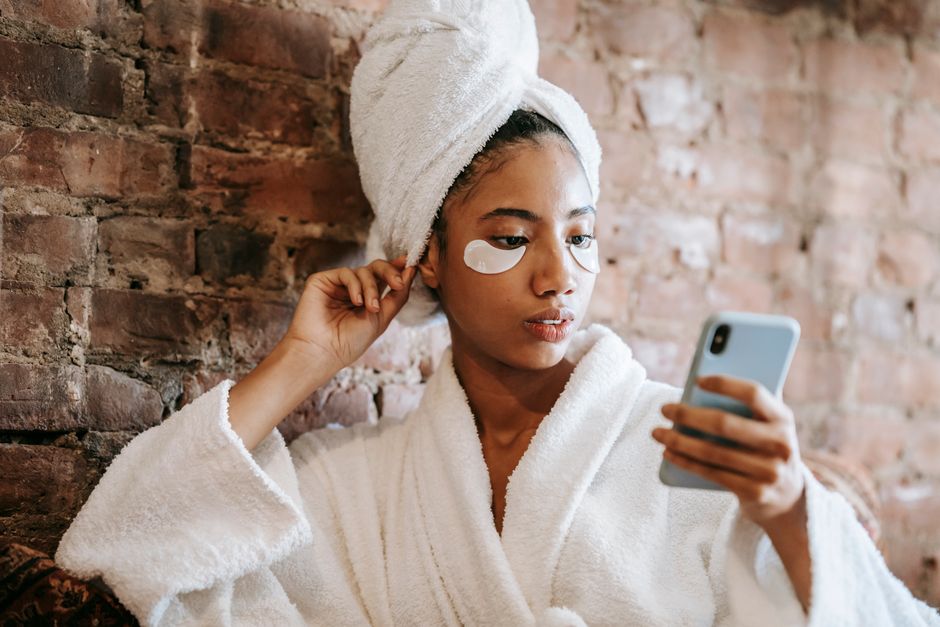
Skin tone is the single most important thing to check before buying an at-home IPL device, and it is the detail the marketing tends to gloss over. IPL (intense pulsed light) removes hair by heating the pigment in it, so how well and how safely it works depends on the contrast between your hair and your skin. This guide explains which skin tones IPL suits, sets out what Philips, Braun and Ulike each say about their own devices, and covers how to use IPL safely, using the Fitzpatrick skin type scale as the common reference point.
Our guidance draws on the manufacturers' own suitability statements and instruction manuals, NHS laser-centre patient information, and the published dermatology on light-based hair removal. We have not trialled these devices on different skin types ourselves, so where a limit matters, this guide names whose limit it is.
How does IPL work, and why does skin tone matter?
IPL sends broad-spectrum light into the skin, where it is absorbed by melanin, the pigment that colours both hair and skin. The light heats the pigment in the hair follicle enough to slow or stop regrowth. That mechanism only works cleanly when the light can tell hair and skin apart, so the ideal case is dark hair against lighter skin, where nearly all the energy lands in the hair.
The problem on darker skin is that the melanin in the skin competes for that same light. The device cannot fully distinguish skin pigment from hair pigment, so energy meant for the follicle is absorbed by the skin instead. That is what turns a routine session into a risk of burns, blistering and post-inflammatory hyperpigmentation, where the skin darkens or lightens where it was overheated.
What is the Fitzpatrick skin type scale?
The Fitzpatrick scale (a dermatology classification of how skin responds to sun) runs from I to VI, and it is the language IPL makers use to state who a device is for:
- Type I: very fair skin, always burns, never tans.
- Type II: fair skin, burns easily, tans minimally.
- Type III: medium skin, sometimes burns, tans gradually.
- Type IV: olive or light brown skin, rarely burns, tans easily.
- Type V: brown skin, very rarely burns.
- Type VI: deeply pigmented dark brown to black skin, never burns.
Check a device's stated Fitzpatrick range before you buy, not after.
How do you work out your Fitzpatrick type?
The Fitzpatrick scale classifies skin by how it reacts to sun, not by how it looks in a mirror, so the quickest self-check is your sunburn history. Think about your untanned skin after a first hour of strong summer sun with no protection:
- You burn and never tan: type I.
- You burn, then tan a little: type II.
- You sometimes burn and tan gradually: type III.
- You rarely burn and tan easily: type IV.
- You very rarely burn and tan deeply: type V.
- You have never burned and your skin is deeply pigmented: type VI.
Judge the skin you plan to treat, not your face. Legs, underarms and the bikini line are often a shade lighter or darker than the face, and IPL devices read the patch of skin under the window, not your overall complexion. If you fall between two types, plan around the darker one.
Which skin tones is at-home IPL safe for?
At-home IPL has traditionally been rated for Fitzpatrick types I to IV, the fair-to-olive range where the hair-to-skin contrast is high enough to treat safely. Newer devices with a skin-tone sensor stretch the window into type V, but only within the limit each manufacturer sets for its own model.
Type VI, the very darkest skin, is the clear exception: none of the major brands sold in the UK rate their home IPL for it, because the skin absorbs too much of the light to treat safely. For type VI skin, in-clinic Nd:YAG laser is the technology built for darker tones and the safer route to lasting hair reduction. If you are type V, treat the manufacturer's chart as the limit, not a suggestion.
What do Philips, Braun and Ulike say about skin tone?
The three IPL brands that dominate UK shelves each publish their own limit, and they do not use the same language. Here is what each states, from its own support pages and manuals:
| Brand and range | What the maker states | Rough Fitzpatrick reading | Sensor |
|---|---|---|---|
| Philips Lumea (Dutch maker Philips' home IPL range) | Suitable for fair to medium brown skin; not suitable for dark brown to dark skin (Philips support) | I to IV, edging into V on some models | SmartSkin sensor blocks flashes on skin that is too dark; see the Lumea 9900 and its SenseIQ sensor |
| Braun Silk-expert Pro 5 (German maker Braun's sensor-led IPL) | Do not use on skin darker than tone V on Braun's own printed chart (Braun instruction manual) | Up to Braun tone V, which is not the same as Fitzpatrick V | SensoAdapt reads skin tone before every flash and adjusts intensity |
| Ulike Air range (Chinese maker Ulike's cooled IPL devices) | Not recommended for Fitzpatrick type VI; type V only with a verified automatic skin-tone sensor (Ulike FAQ) | I to IV, with V conditional | Varies by model; check the model page, such as the Ulike Air 3 |
Two things stand out. First, no major brand rates a home device for type VI. Second, the wording varies enough that a figure on one box is not directly comparable with a figure on another, which is the trap the next section unpicks.
For how the two market leaders compare beyond skin tone, see our Philips Lumea vs Braun IPL comparison.
Why isn't a brand's 'tone V' the same as Fitzpatrick type V?
Fitzpatrick types describe how skin responds to the sun. A brand's skin-tone chart describes how its sensor reads skin colour, and each brand draws its own swatches. Braun's manual, for example, numbers the tones on its own printed chart and sets its cut-off at tone V on that chart. That is a statement about Braun's swatch, not a promise that the device is rated for Fitzpatrick type V skin.
Philips avoids numbers on its support page entirely and uses descriptions, "fair to medium brown" and "dark brown to dark". Ulike's FAQ uses Fitzpatrick types directly. So the practical rule is simple: hold your skin against the chart printed in your own device's manual, not against a number you read elsewhere, and if you sit on the border of that chart, take the darker reading.
What happens if IPL is used on skin that is too dark?
The harm comes from the skin absorbing light meant for the hair. The common outcomes are redness that lingers well beyond a session, blistering or a burn, and changes in skin colour. Post-inflammatory hyperpigmentation (darker patches left after the skin is inflamed) is the change most associated with darker skin, and lighter patches can happen too.
NHS laser specialists say the same of clinic treatment. The Bristol Laser Centre at North Bristol NHS Trust notes that side effects are more likely in people with naturally dark skin or who are treated while suntanned, and that pigment changes are usually temporary but occasionally permanent. Home IPL runs at lower power than clinic equipment, but it is the same physics in an unsupervised setting.
If a treated area blisters, weeps or stays painful, stop using the device on it, cool the skin with cool running water, and get advice from a pharmacist, NHS 111 or your GP. Do not treat that area again until it has fully healed.
Does a tan change which skin type you are?
Your Fitzpatrick type does not change, but what the device sees does. A holiday tan, a summer outdoors or a fake tan all darken the skin the sensor reads, which can push a type III or IV person towards the limit of a device's chart and raise the risk of a reaction.
For UK users that makes the calendar part of the plan. Starting a course in autumn or winter, when skin is at its lightest, gives you the widest safety margin and the cleanest contrast. Pause treatment around a sunny holiday, remove fake tan fully before a session, and wear sunscreen on treated areas between sessions. The NHS laser-centre guidance above treats a suntan as a risk factor for the same reason.
Why doesn't IPL work on light, grey or red hair?
Skin tone is only half the contrast equation; hair colour is the other. Because IPL needs pigment in the hair to absorb the light, it does little to nothing on hair that has little melanin. Grey and white hair have effectively none, and red and light blonde hair have very little, so IPL struggles to treat them regardless of skin tone. If your hair is fair, grey or red, IPL is likely to disappoint, and electrolysis is the method that does not rely on pigment.
Do skin-tone sensors make IPL safe for everyone?
Many modern devices include a skin-tone sensor that reads the melanin level at the point of contact and either dials the intensity to a safe level or refuses to flash if the skin is too dark. It is a genuinely useful safety feature and one worth prioritising, especially for type IV and V skin.
What a sensor cannot do is change the physics. It widens the margin for error and stops obviously unsafe flashes, but it does not make IPL effective or safe on the darkest skin, and it does not give light or grey hair the pigment IPL needs. Treat a sensor as a safeguard, not a licence to ignore your skin tone.
Sensors also differ in what they do. Braun's manual describes a sensor that reads tone before every flash and adjusts the intensity; Philips' sensor checks whether the skin is suitable and blocks the flash when it is not. Either way, a sensor that refuses to flash is the device telling you the area is outside its range: move on, and never try to work around it.
What are the options for type V and VI skin?
If you are type V, a home device can still work, but choose one whose manual explicitly covers your tone, start at the lowest setting after a patch test, and treat any lingering redness as a sign to stop. If you are type VI, home IPL is the wrong tool.
The clinic alternative is long-pulsed Nd:YAG laser, a wavelength that passes deeper into the skin and is less absorbed by surface melanin. The Bristol Laser Centre lists it as the laser it uses for darker skin. When choosing a clinic, ask whether the practitioner regularly treats your skin type, which laser they use for it, and whether they patch-test first. A clinic that offers only IPL to very dark skin is a reason to look elsewhere.
For hair that IPL cannot see at all, see our guide to fair and grey hair, where electrolysis is the method that does not rely on pigment.
How do you patch-test an IPL device safely?
Check your tone against the device's own chart
Use the chart printed in your manual, on the area you plan to treat, in daylight.
Shave the test area
IPL works on the root, so the surface hair should be shaved, not waxed or epilated, before a test.
Flash a small patch at the lowest setting
Pick a discreet spot in the area you plan to treat, and follow the manual's instructions for the test.
Wait the time the manual states
Look for redness that lingers, blistering, or a change in colour. Mild, brief warmth is normal; anything more is a reason to stop.
Step up gradually
Only raise the intensity once a lower setting has caused no reaction, and repeat the test on each new body area.
Frequently asked questions
Can you use IPL on dark skin?
Does IPL work on blonde, grey or red hair?
Is Braun's skin tone V the same as Fitzpatrick type V?
Do I still need a patch test if my device has a sensor?
Is at-home IPL as safe as a salon?
Can I use IPL after a holiday tan?
Summary
At-home IPL is a contrast technology: dark hair on lighter skin is where it is safe and effective. Fitzpatrick types I to IV are its home ground, type V depends on the specific device and its sensor, and type VI is excluded by Philips, Braun and Ulike alike. Read your own device's chart rather than a number on a box, plan sessions around tans, patch-test every new area, and treat a blocked flash as a firm no. If your skin or hair falls outside the window, a dermatology clinic with Nd:YAG laser, or electrolysis for light hair, is the better route.
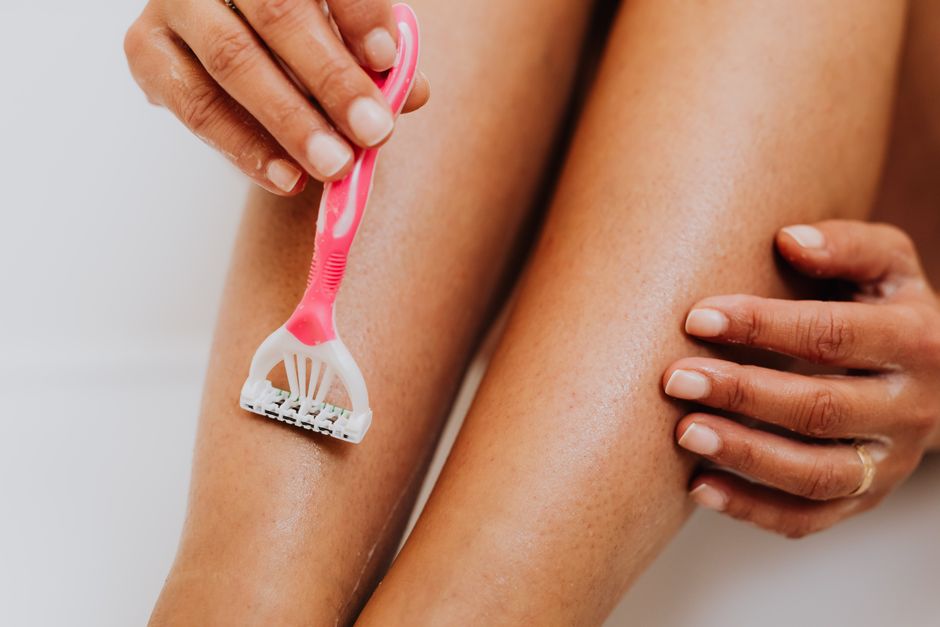
Does IPL Work on Fair or Grey Hair?
How Long Does At-Home IPL Take to Work?
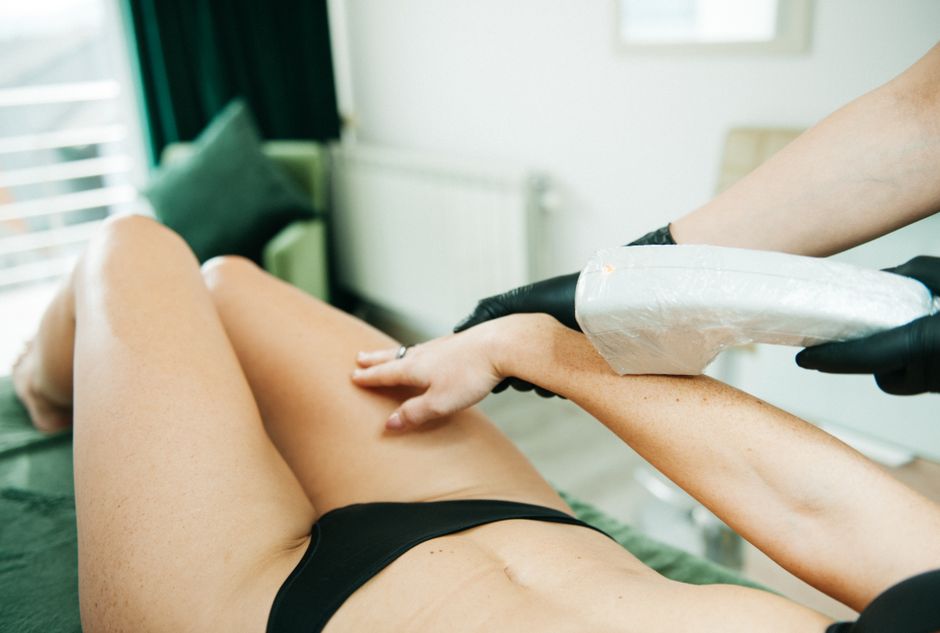
Philips Lumea vs Braun IPL
Ulike Air 3 IPL Review
Choose an IPL device that suits your skin
See our IPL guides and picks, rated for UK skin tones and honest about the limits.